Alpha & Omega. Greece and Crete
Travel & holidays in Greece, Athens, Crete, Rhodes, accommodation, car rental
Individual holidays to suit your personal needs
Slide Show. Pictures from Greece
Home Accommodation Car rental Virtual tour Photo gallery Travel guide Inquiries
CRETE
Maps of Crete
Chania or Hania
Rethymnon
Heraklion
Agios Nikolaos
Accommodation
Hotels / apartments
Villas
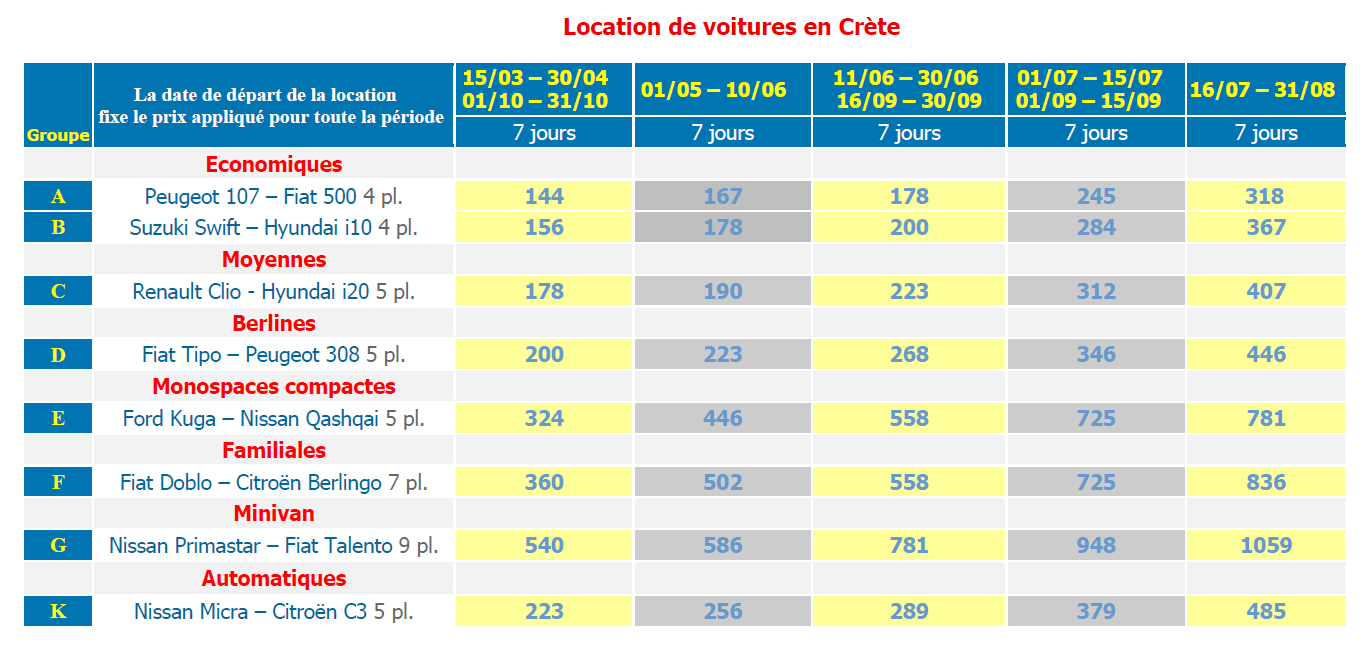
Car rental
Crete - Heraklion
Chania - Rethymnon
Travel guide
General information
Practical information
The routes
Hania
Kissamos
Chora Sfakion
Rethymnon
Ierapetra
Heraklion
Agios Nikolaos
ATHENS
Car rental - Map
Athens airport
Athens metro
Pictures
RHODES
Car rental - Map
CORFU
Map
Greece info
Map of Greece
Greece in numbers
White - Yellow pages
Charter flights UK
Inquiries

Photo of the day

Other sites of the group
Property in Crete
Immobilier en Crète
Alpha & Omega in UK

Site map

Exploring caves


By Stephanos Nikolaidis, speleologist, cave-diver

As you will certainly know from mythology, one of the most wonderful structures in Minoan Crete was the famous Labyrinth under the Palace of Knossos, an underground complex of passages in a chaotic architectural pattern where no-one who entered could find the way out. The person would wonder around hopelessly in the dark confusing passages and in the end would be eaten by the Minotaur, a monster with the body of a man and the head and strength of a bull.

Well, if you think that all this is just fantasy, you’d be wrong! Evans may not have found a Labyrinth at Knossos, but Greek and foreign speleologists have found hundreds of Labyrinths in the Cretan mountains. They are almost completely in proportion to the mythical Labyrinth at Knossos, if we discount the fact that most of the caves and sinkholes of Crete have an impressive arrangement of stalactites and stalagmites. But before you abandon the sunlight and enter the narrow mouth of a dark, cold cave, you should fix well in your mind the basic rules of safety (or rather, more correctly, of survival), the legal limitations and the basic principles of caving savoir-vivre. Otherwise you will be in danger of seeing the Minotaur himself or (in other words) death with your own eyes.

Safety Rules

* It is completely dark inside caves - you can’t even see you nose in front of your face. If something happens to your torch and it goes out, you will be in a very unpleasant position. So you must have with you a spare torch with new batteries that will get you to the exit. It is also a good idea to have a candle and a cigarette - lighter with you, just in case. The only suitable torch is the one you fix onto your forehead, because this leaves both hands free. As for gas lamps, they are entirely unsuitable and dangerous.

* We are talking to you in the plural, because one person never goes alone into a cave. It is a good idea for someone outside the cave to know where you are, again just in case (but not your mum!)
* A piece of safety rope (5-6 metres) is useful for help on slippery descents and short climbs.
* Wear clothes that you don’t mind getting dirty or torn, and shoes with lugged soles.
* Only at the cave entrance or under stones is there sometimes a likelihood of finding scorpions or snakes which my be poisonous, so be careful where you put your hands.
* It is absolutely necessary to wear a protective helmet, because caves are full of hard, sharp stalactites. Your motorcycle helmet is absolutely unsuitable. If you haven’t got a mountaineering or bicycling helmet, you can make a rough helmet with a tight-fitting knitted cap or hat, inside which you stuff thick socks or your leather gloves.

Legal Limitations

* Under Greek Law, caves are considered protected natural and cultural monuments.
* Officially, you need a permit to enter every cave (apart from commercially developed ones); this you get from the Ministry of Culture, Department of Speleology and Paleoanthropology, in Athens.
* Naturally, removal of anything whatever from the cave (whether stalactites or archaeological objects) can get you into big trouble with the police, and not even Theseus will save you.
Savoir - Vivre
* When we enter someone’s house, we wipe our feet or take off our shoes. This is an act of respect to the place. Most caves existed thousands of millions of years before man appeared on earth, and they have managed to bring into our modern times the secrets of their creation and remains of the creatures which lived and died inside them. It is not necessary to remove our shoes inside a cave, but we should be very careful indeed to leave nothing behind us apart from our shoe-prints, and to take photographs and nothing else.
* There may be no wild animals or dragons inside caves but we will certainly run into bats that we try not to wake up or to frighten, and blind harmless insects that have adapted to the environment of the cave and they do not at all like to be stepped on or to go for a walk in the light.

Source of the information on this page : “Unexplored Crete”, Road Editions. For more guidebooks and maps of Greece, click here.


http://www.alpha-omegaonline.com
E-mail: info@alpha-omegaonline.com
Tel: +33(0)4 92 15 14 62 - Fax: +33 (0)4 92 15 10 97
Address in France: 20, Boulevard Joseph Garnier F-06000 Nice
Address in Greece: Astrikas - Chania - Crete